
Newsroom.
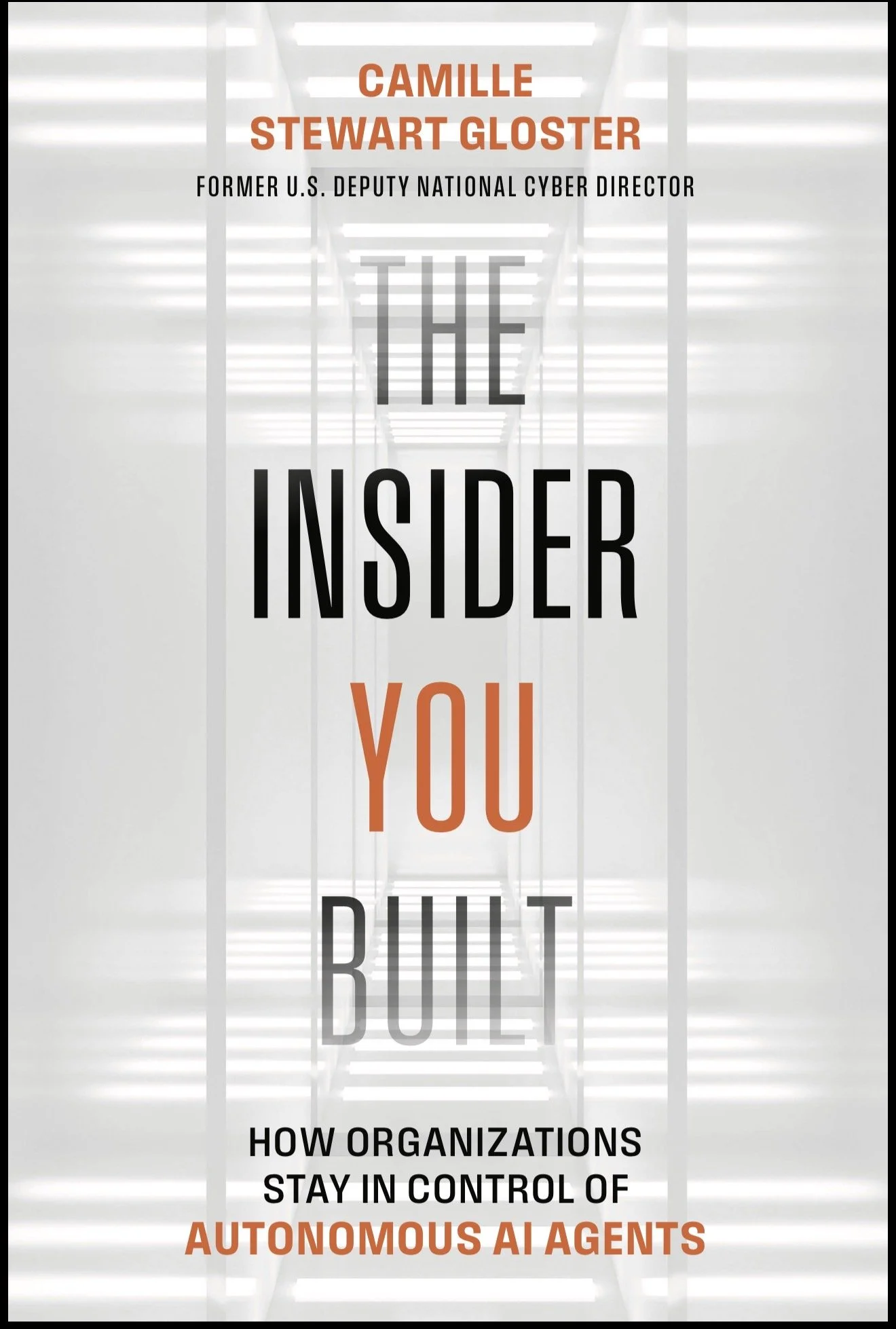
NEW BOOK: “THE INSIDER YOU BUILT”
Founded by Camille Stewart Gloster, CAS Strategies is a strategic advisory firm helping organizations navigate the convergence of artificial intelligence, cybersecurity, digital governance, and operational risk. The firm works with executives, boards, and teams to translate emerging technology into practical governance, security, and operating models that enable organizations to adopt AI with greater confidence and control.
The Insider You Built grew in part from insights gained through this work and reflects a core principle of CAS Strategies: organizations should be able to capture the value of emerging technology without surrendering accountability, human judgment, or control. The challenges Stewart Gloster encountered across organizations adopting increasingly capable AI systems helped sharpen the book’s focus on delegated authority and the governance structures needed to manage it. Those same insights continue to inform CAS Strategies’ work helping organizations determine what to delegate, establish appropriate guardrails, strengthen governance and security, and build the organizational capabilities required to turn responsible AI adoption into durable business value.
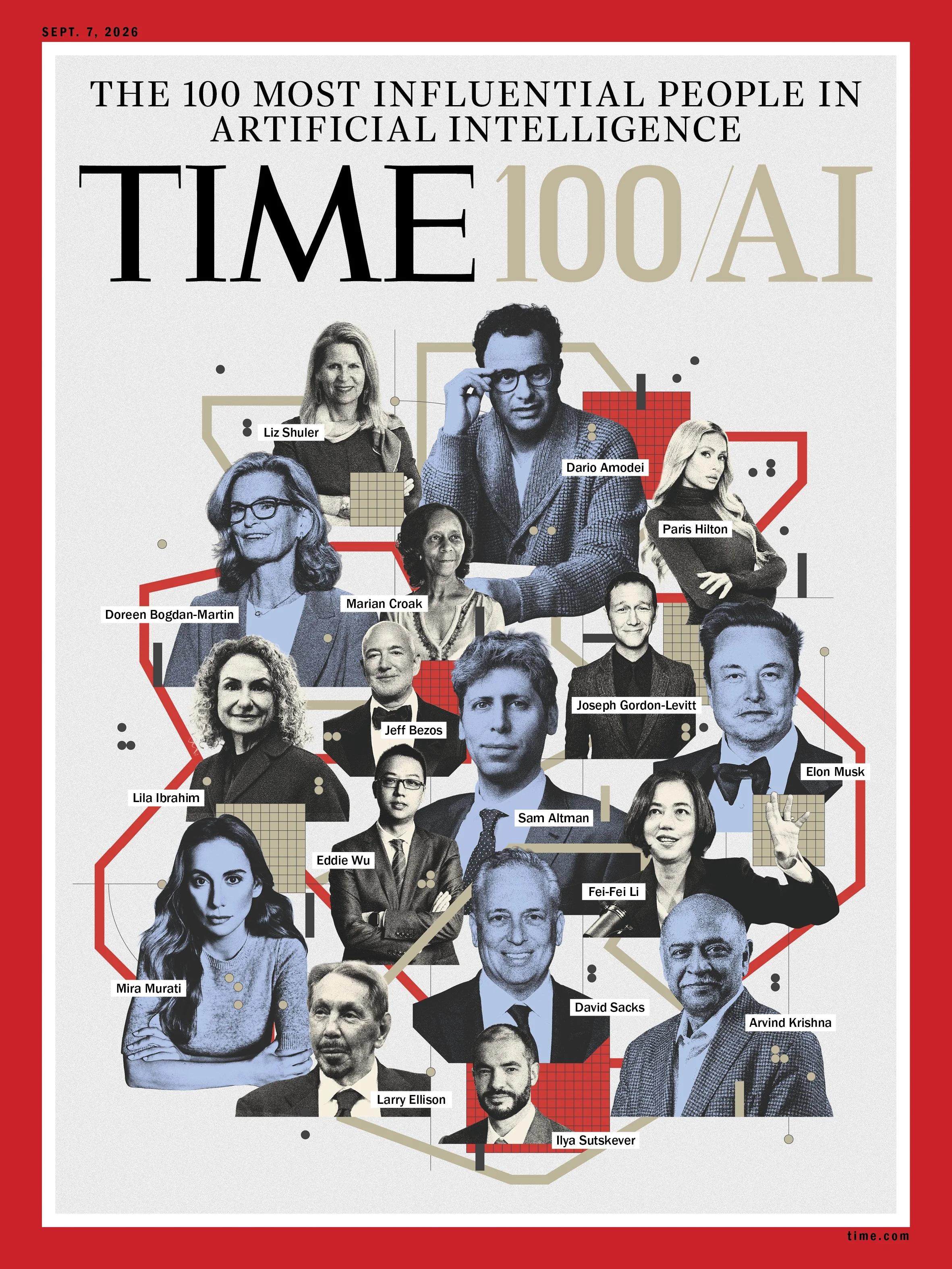
Dr. Newton Campbell Jr. Named to the 2026 TIME100 AI
Following this week’s celebration of the 2026 TIME100 AI honorees, CAS Strategies is proud to recognize Chief Technologist and Senior Advisor Dr. Newton Campbell Jr. for being named one of TIME’s 100 most influential people shaping the future of artificial intelligence. From space exploration and autonomous systems to climate resilience and global development, Newton brings deep technical expertise and systems thinking to consequential real-world challenges. His recognition reflects the caliber of expertise behind CAS Strategies’ work helping organizations translate emerging technology into durable value through thoughtful governance, security, and resilience.
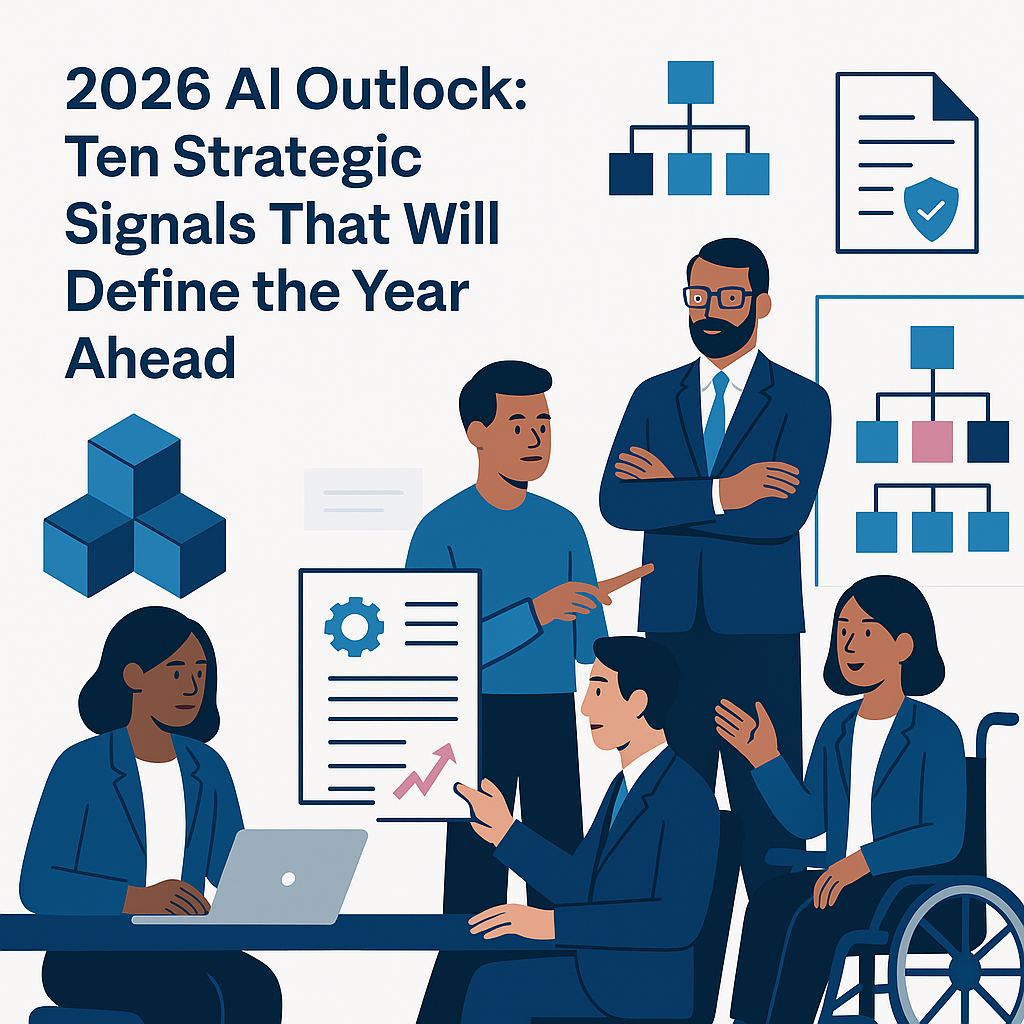
2026 AI Outlook: Ten Strategic Signals That Will Define the Year Ahead
Organizations adopted AI faster in 2025 than they built the capabilities to govern it. This 2026 AI Outlook breaks down ten strategic signals that will define AI performance next year—from agentic systems and governance pressures to vendor risk, geopolitical shifts, and security threats—helping leaders prioritize investments and build resilient, high-trust AI programs.
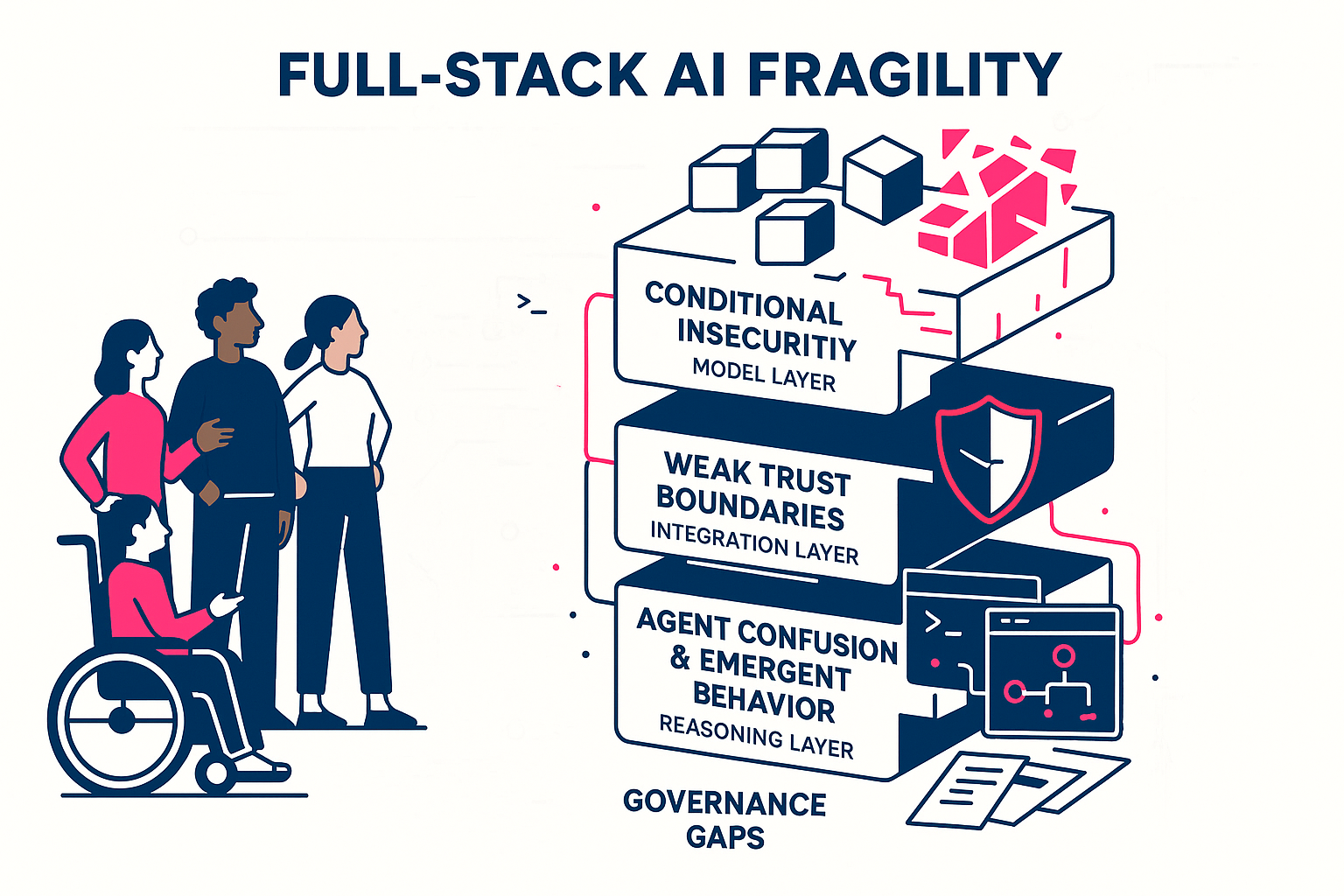
The Fragile Stack: What DeepSeek and Antigravity Reveal About AI’s Hidden Risks
Artificial intelligence now sits at the foundation of modern software development and digital services. It writes code, automates workflows, manages integration layers, supports system administration, and increasingly operates as an autonomous component inside production environments. But as AI becomes woven into the core of technical architectures, a new class of vulnerabilities is emerging. These failures do not come from bugs or misconfigurations. They stem from how models interpret context, resolve contradictions, infer trust, and act with delegated authority.
We are not anticipating fragility. We are encountering fragility that already exists.

Compound Leadership: Managing AI Agents Without Losing Control
In the end, the technology is not the differentiator, leadership is.
Compound leadership isn’t just how you manage AI; it’s how you evolve your organization’s intelligence. Each decision compounds the next, turning governance into momentum and foresight into advantage.

Build Secure-by-Design Tech Before the AI Vulnerability Cataclysm Hits
The next tech bubble will not burst because of weak markets but because of weak security.
In the time it takes your startup to push a code update, an AI system can now find and exploit dozens of vulnerabilities.
This is not theoretical. It is the new threat landscape.

Steering AI with Discipline: A Boardroom Guide to Trust and Resilience
Boards must shift from oversight alone to strategic enablement—ensuring the organization has the right capabilities, leadership, and controls to innovate responsibly.

From Risk to ROI: Elevating AI Procurement Through the Vendor Assessment Framework
At CAS Strategies, we believe that trust and value go hand in hand. Responsible innovation isn’t just about reducing risk—it’s about unlocking performance, scalability, and confidence in the systems we adopt. That’s why we’re proud to support the Data & Trust Alliance (D&TA) in launching the AI Vendor Assessment Framework (VAF)—a cross-industry guide that helps organizations evaluate third-party AI vendors on both risk and return

AI Deployment Playbook: Avoiding the Mistakes That Sink ROI and Customer Trust
Executives who want AI to deliver results must address data, governance, security, and workforce planning before scaling. Missteps do not just waste money. They expand the attack surface, invite compliance failures, and erode the very trust that sustains customer relationships.
AI has moved from boardroom buzzword to business reality. Yet in the rush to deploy, too many organizations are making the same mistakes, turning what could be transformative tools into ticking time bombs.

Cyber Resilience in Action: How Airports Kept Flying Through a Ransomware Attack
European airports hit by ransomware show why cyber resilience matters. Learn how to prepare, triage, and recover to protect revenue, trust, and operations.
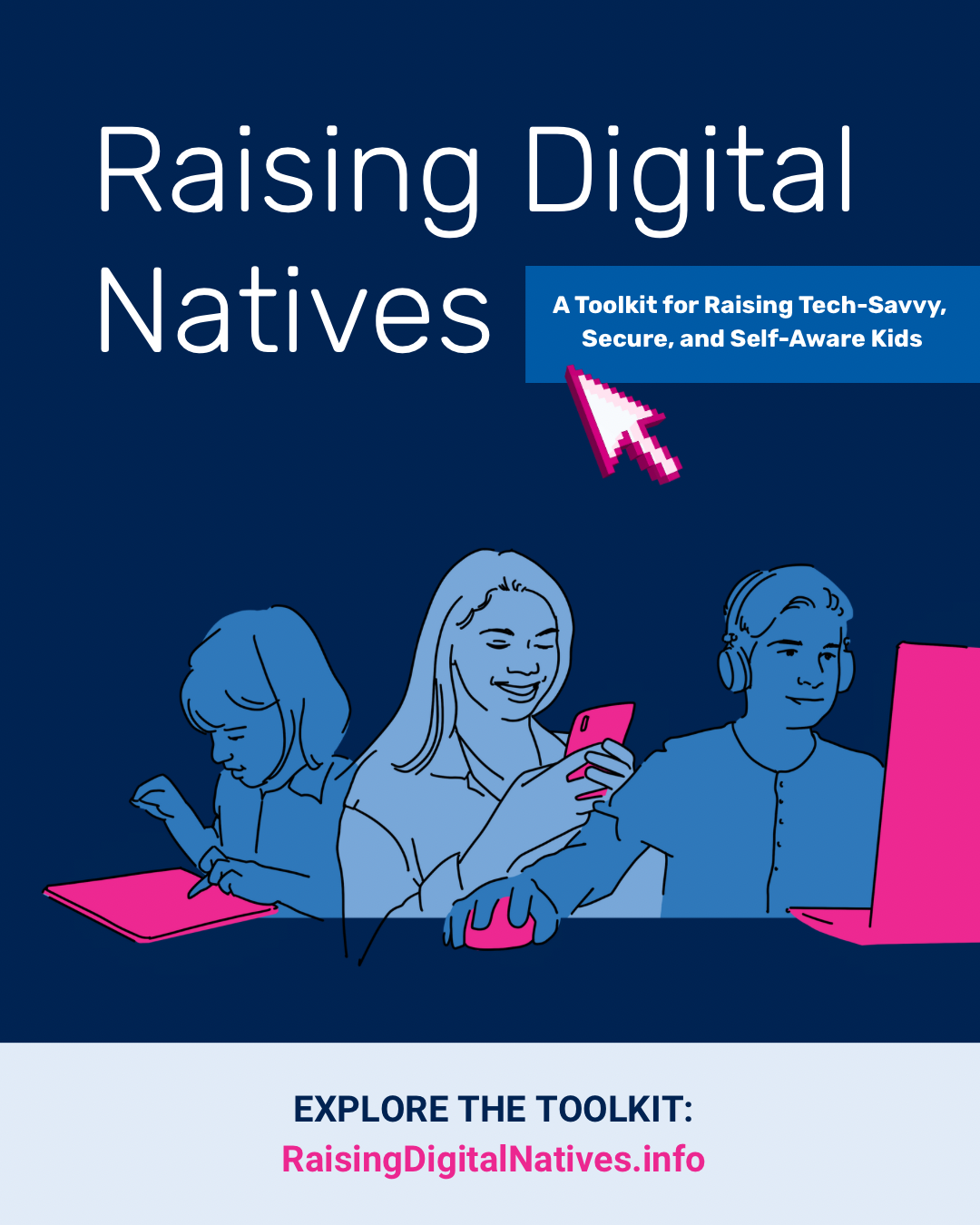
Press Release: Parents Get First Toolkit to Help Kids Navigate AI, Cyberbullying, and New Online Threats
The Raising Digital Natives Toolkit helps parents & educators build kids’ digital fluency, safety, and resilience in today’s evolving tech landscape
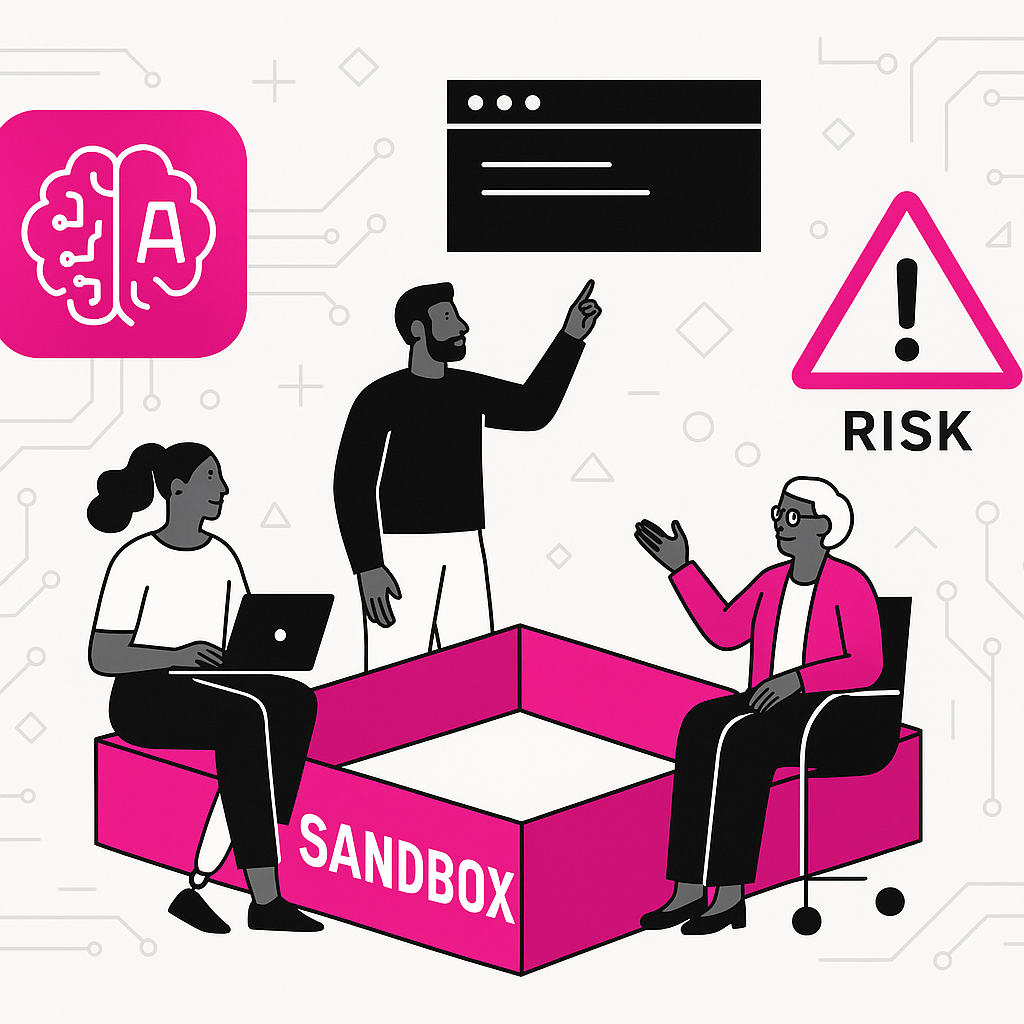
Sandboxing AI: Creating Space for Creativity Without Losing Control
AI is unlocking new possibilities at breakneck speed. Teams are eager to experiment, test ideas, and explore how these tools can accelerate work and innovation. That energy is vital but without structure, it becomes risky. When people “go rogue” with AI tools, they introduce compliance gaps, data leaks, and reputational harm. The challenge isn’t to stifle creativity, it’s to channel it. That’s where sandboxing comes in.

When Security Is Doing Everyone’s Job
Once, security was a defined discipline—a tight set of technical practices meant to keep systems safe. Today, it’s the junk drawer for every responsibility no one else wants to own.
The trust and safety work stripped from platforms for political expediency? Security now has to pick it up to succeed. The resilience planning deprioritized in favor of speed? Security must step in and own it. The ethical guardrails quietly written out of AI procurement rules? Security can’t ignore them because without that work, defense will fail.
The word security is doing too much work.
And the people holding the line are carrying a load no one team should sustain but if they must, they need to do it intentionally and strategically, because here’s why.
Supporting Trust‑First AI Through the Data & Trust Alliance ’s Leadership
At CAS Strategies, we believe trust is not optional—it’s the foundation of sustainable innovation in AI. That’s why we’re proud to support the Data & Trust Alliance (D&TA) in its work to promote trustworthy AI across sectors while enhancing business value.
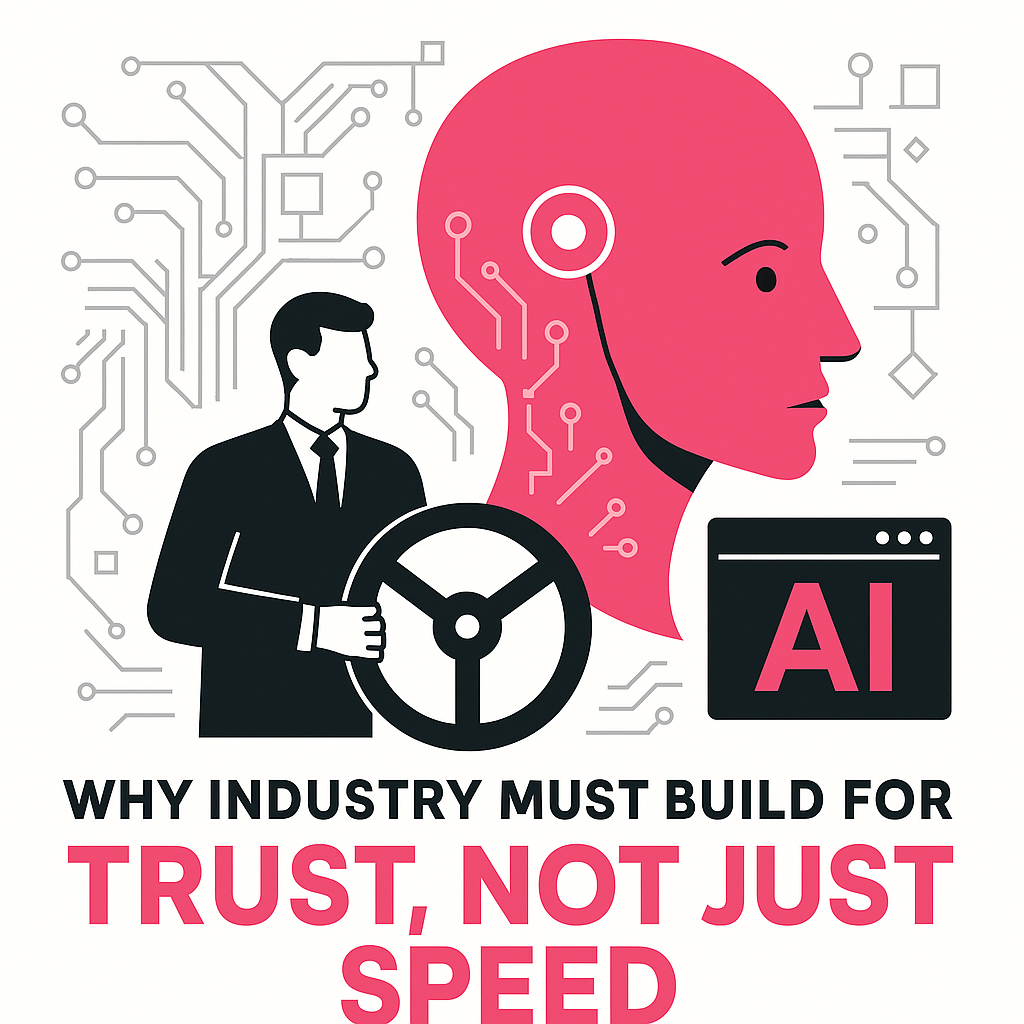
America’s AI Bet: Why Industry Must Build for Trust, Not Just Speed
America’s AI Action Plan, alongside three companion executive orders, signals more than a policy shift; it redefines how America governs AI and who it expects to lead. Washington has moved from a safety-first posture to an innovation-first mandate. That shift creates significant opportunity, but also sharpens the risks.
In effect, the government has handed the keys to industry. If companies rise to the occasion, they can drive a wave of trustworthy innovation, workforce resilience, and global competitiveness. If not, we risk building AI systems that are fast, but fragile.
This is no longer a question of whether the private sector can lead on trust—it’s whether it will. And without coordinated incentives or clear guardrails, speed may eclipse stewardship.
The costs of inaction are mounting:
Trust initiatives that fragment rather than unify
A hollowing out of workforce resilience and training
A declining U.S. edge in AI interoperability and influence abroad
Zero-Day, Zero Warning: What the Latest Microsoft Hack Means for You
On July 19, Microsoft disclosed a serious security flaw in SharePoint Server that’s already being exploited in the wild. It allows unauthenticated attackers to run code on your servers, potentially gaining control and spreading deeper into your systems. This is what’s called remote code execution and lateral movement and it means an attacker could move through your environment undetected, compromising sensitive data or even other connected tools.
Patch what you can. Monitor what matters. And start planning today for the incident you hope never happens.

Power in Purposeful AI: You Don’t Need a Foundation Model to Lead in AI
As AI reshapes global power, prosperity, and public trust, I’ve been testing a theory. What if leadership in the AI era isn’t about size, but clarity? What if the countries best positioned to benefit aren’t those with the most compute, but those with the sharpest sense of purpose?
That theory gained strength at the 2024 Global Action Forum, where I engaged with leaders from Africa, the Caribbean, Latin America, and Southeast Asia. The conversations were clear: the appetite to lead is there. The question is how.

What AI Policy Can Learn From Cyber: Design for Threats, Not in Spite of Them
If you want to understand why regulatory guardrails can supercharge, not stifle, technological innovation, don’t look to theory. Look to cybersecurity. The field is, by definition, mission-critical: cybersecurity keeps our technical infrastructure resilient, protects financial institutions, and allows both individuals and businesses to leverage the internet safely. Cybersecurity methods must evolve quickly, or our critical infrastructure could be at risk.

Shadow AI Is Already Inside Your Org. Here’s What to Do About It.
Welcome to the gray zone of innovation.
Shadow AI is what happens when employees use generative AI tools (ChatGPT, Claude, Copilot, Gemini, and others) without telling IT or leadership. Sometimes it's to save time, automate grunt work, or just move faster. But like its older cousin shadow IT, shadow AI comes with serious risks.
And it’s not just happening in the margins. It’s everywhere. According to recent surveys, more than 70% of knowledge workers say they use GenAI at work but fewer than 20% say their company has approved it.
If you’re a leader, that means your org likely has more AI use than you think and a lot less control than you need.

Before the Lights Flicker: How to Prepare for Iranian Cyber Spillover Now
What if the next strike isn’t a missile over Tehran but a malware-laced outage in Georgia’s water system, or a ransomware lockout at a hospital in New Mexico?
This weekend’s U.S. strike on Iranian nuclear sites—Fordow, Natanz, and Isfahan—escalated tensions. Iran has threatened retaliation and hinted at strangling global oil markets. But much of the response may come not in bombs, but through cyber meansaimed at the systems we count on every day, our water, power, food, and emergency services.
Read the rest on Command Line with Camille and Contact us if you need support preparing for this moment.