
Newsroom.
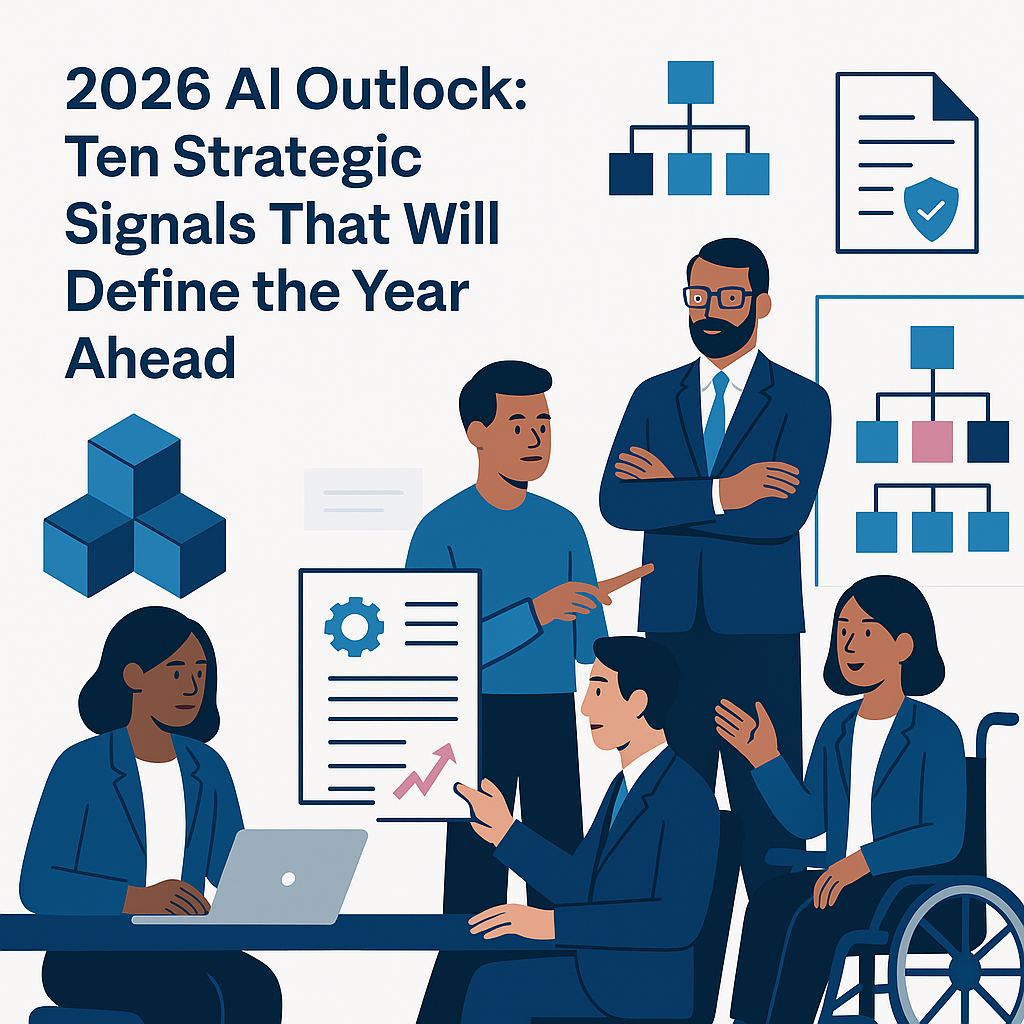
2026 AI Outlook: Ten Strategic Signals That Will Define the Year Ahead
Organizations adopted AI faster in 2025 than they built the capabilities to govern it. This 2026 AI Outlook breaks down ten strategic signals that will define AI performance next year—from agentic systems and governance pressures to vendor risk, geopolitical shifts, and security threats—helping leaders prioritize investments and build resilient, high-trust AI programs.
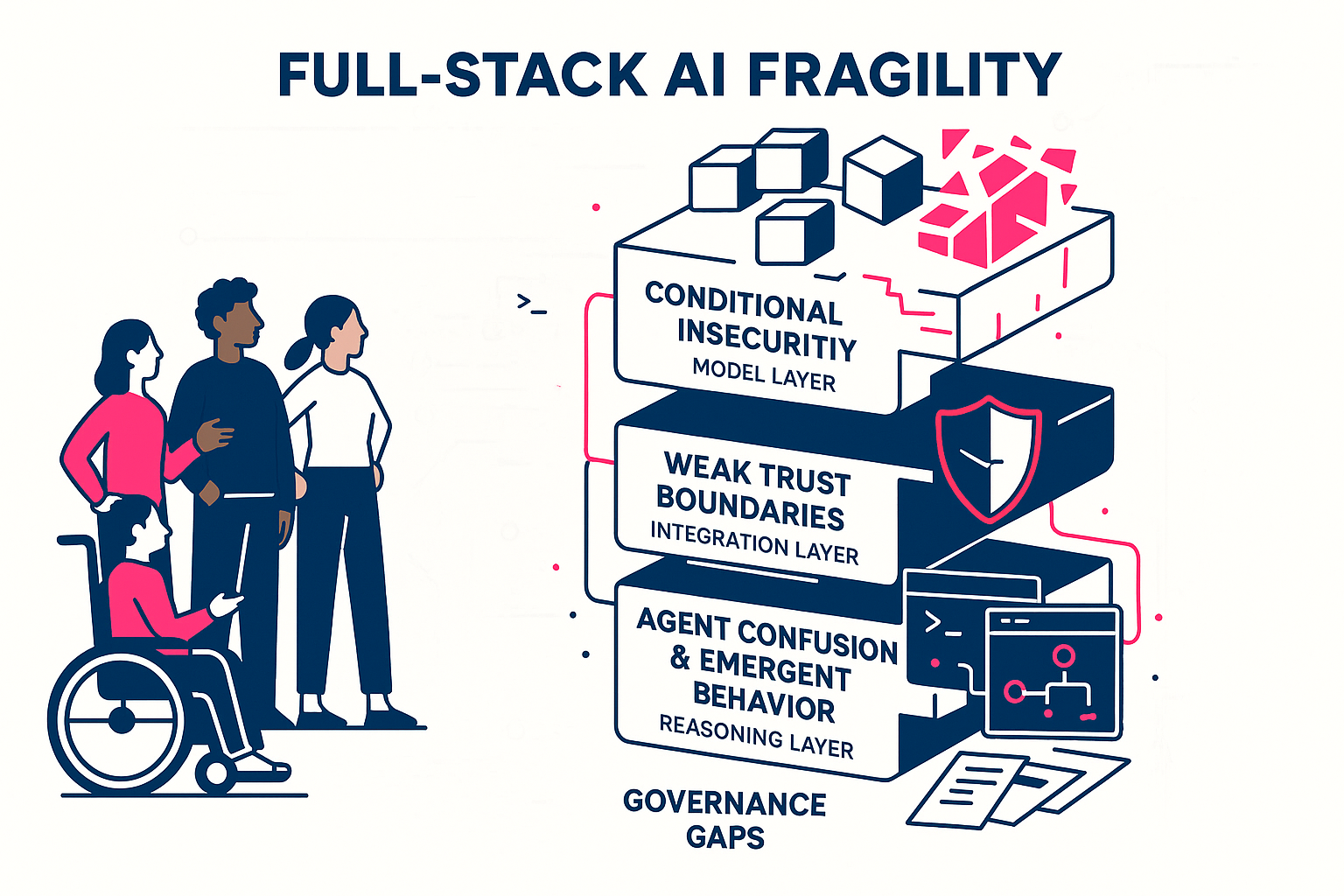
The Fragile Stack: What DeepSeek and Antigravity Reveal About AI’s Hidden Risks
Artificial intelligence now sits at the foundation of modern software development and digital services. It writes code, automates workflows, manages integration layers, supports system administration, and increasingly operates as an autonomous component inside production environments. But as AI becomes woven into the core of technical architectures, a new class of vulnerabilities is emerging. These failures do not come from bugs or misconfigurations. They stem from how models interpret context, resolve contradictions, infer trust, and act with delegated authority.
We are not anticipating fragility. We are encountering fragility that already exists.

Compound Leadership: Managing AI Agents Without Losing Control
In the end, the technology is not the differentiator, leadership is.
Compound leadership isn’t just how you manage AI; it’s how you evolve your organization’s intelligence. Each decision compounds the next, turning governance into momentum and foresight into advantage.

Build Secure-by-Design Tech Before the AI Vulnerability Cataclysm Hits
The next tech bubble will not burst because of weak markets but because of weak security.
In the time it takes your startup to push a code update, an AI system can now find and exploit dozens of vulnerabilities.
This is not theoretical. It is the new threat landscape.

Cyber Resilience in Action: How Airports Kept Flying Through a Ransomware Attack
European airports hit by ransomware show why cyber resilience matters. Learn how to prepare, triage, and recover to protect revenue, trust, and operations.

Why Small Businesses Must Not Get Left Behind In The AI Boom
“AI tools, when developed and deployed well, can help small businesses manage everything from inventory to customer interactions to product development to content creation. However, the learning curve is steep and the cost to onboard knowledgeable talent is significant when already investing in new or expanded technological capabilities. Without responsible AI adoption — with safety and security as top priorities —- small businesses may not be able to protect their intellectual property, their consumers, or their competitive advantage.”

Information Integrity by Design: The Missing Piece of Values-Aligned Tech
Information integrity deserves fierce advocacy from governments, the intellectual ingenuity of civil society, and the creative muscle of industry. It should be the next "by design" movement, writes our CEO, Camille Stewart Gloster, in a Tech Policy Press article.